9.1.06
Notice
This is my last posting for Nad's Notes. No, I'm not quitting blogging--just relocating to my old "home" that I had once lost but finally regained: onceuponaweb!og.


30.12.05
25 Most Popular Posts in 2005
Since I attempted blogging in late 2003 and stopped it awhile before I started hitting it again in mid 2004 onward, I have posted quite a bit of rants with time. Obviously, most of the posts contain trivial notes that are very ephemeral or highly personal. Yet, I have noted that some posts contain ideas that hold as much relevance today as they did when they were one by one posted. It seems to me these posts have had the potential to endure the test of time or to be developed further through future posting--by myself, at least.
The following links to 25 most popular posts are humbly presented to you for having made the time to visit Nad's Notes and bear with me, as a way of wishing you a great happy new year 2006 and great holiday--you prefer some cash, I know. (They have been sorted out of this blog thanks to the most amazing Google and most wonderful statistics service from Statcounter.)
So, happy new year, everyone!
1. 700 New Cars
2. A Country on the Make: In Memoriam Cak Nur
3. A Great Folly
4. Annotated links to free blog tempates
5. Blogging Axioms and Rules in but 1 Post
6. Ceteris Paribus: A Most Dangerous Tool
7. Indonesia's Fuel Subsidy-Reduction Compensation Program
8. Indonesia's Islamic Banking: Draconian Tasks Ahead
9. It's Not About the Economy, Stupid!
10. Kekebeletan yang Memiskinkan [In Bahasa]
11. Keuangan Internasional dan Otoritas Fiskal Kita [In Bahasa]
12. Menyaksikan Rumput Tumbuh: Demografi dan Tenaga Kerja Indonesia [In Bahasa]
13. Million dollar ideas
14. Nothing is Nothing
15. One Stitch at a Time
16. Our Greater Common Good
17. Polemik yang Harus Segera Berakhir [In Bahasa]
18. Potensi Bencana di Depan Mata [In Bahasa]
19. Sahur Blogging 2: The Ulysses Awards
20. Sinetron dan Bajaj Bajuri Kita [In Bahasa]
21. The Curse of Inflation
22. The Dismall Malls
23. The Need to Ghost-blog
24. The Perils of Sedekah, Infaq, Zakat or the like of it
25. Thoughts from a Fancy Car
29.12.05
The greatest problems of philosophy
Now that the world is entering the "injury" time nearing the close of 2005, I am lucky enough these days to have been blessed with freer time on my side--and more books on my hands. The other day I thought perhaps I should blog about personal "reflections" as the year turns, but the Jakarta Post preempted it by its Life is an Onion. Life is an onion, they say; we peel one layer at a time, and sometimes we weep. Life is what we do with that one layer at a time, and, unlike an apple, there is really no core inside.
 Recently I have been painstakingly reading two philosophy books written in Indonesian by two Indonesians. One is Postmodernisme, Tantangan Bagi Filsafat by Bambang Soegiharto, and the other is a newer book Derrida, on the philosopher's thoughts and his position in philosophy, by a younger writer Muhammad Al-Fayyadl. The vast knowledge on the subject matter and tenacity of both writers are highly admirable. As among the first books written on Postmodernism by Indonesians, they deserve commendation and have won my respect and admiration.
But I must also say each of them has been a disappointment. I had to put them down for awhile. To my very limited mind, these two books have failed in imparting better understanding. After going almost half of each, I was able neither to make a coherent sense nor grasp the gist of it. The pages seemed to concurrently contain descriptions of ceaseless concepts that yet called for other explanations in order to understand them. Then this question faced me: is it about me or them?
I am an adult, quite an experienced reader, especially in my own mothertongue. I generally know sort of the limits of my understanding and would be able to tell if texts fail me and when I am required more careful reading.
So finally I was forced to arrive at some personal conclusions: of the greatest problems with philosophy may be that it is a problem to itself and how it is conveyed. In this case, something must have been wrong about the way these books were presented to the general audience.
By saying this I don't mean to say I have given up on these books, though. Yesterday, I did some Internet research to assist me with my reading, and was brought by Google to some much friendlier sites. Frankly speaking, I felt more illuminated by the sites than by the books, and this fact I find quite regrettable.
More questions remain unanswered. Have it to do with a writer's personality or the sophistry of a subject? Can difficult subjects not be presented in a simple way ? What good is it to write something turgid that most people don't understand? Why the additional complexities fir things with complexities in themselves?
See, this all had been personal--until today, when I found an article written by Noam Chomsky (one prominent linguist) on the problem similar to the one I encountered. On Rationality/Science Chomsky wrote:
I still hope that some day I can make more sense out of these books. If that day never comes, I should accept that philosophy is for me too much of a challenge.
 Recently I have been painstakingly reading two philosophy books written in Indonesian by two Indonesians. One is Postmodernisme, Tantangan Bagi Filsafat by Bambang Soegiharto, and the other is a newer book Derrida, on the philosopher's thoughts and his position in philosophy, by a younger writer Muhammad Al-Fayyadl. The vast knowledge on the subject matter and tenacity of both writers are highly admirable. As among the first books written on Postmodernism by Indonesians, they deserve commendation and have won my respect and admiration.
But I must also say each of them has been a disappointment. I had to put them down for awhile. To my very limited mind, these two books have failed in imparting better understanding. After going almost half of each, I was able neither to make a coherent sense nor grasp the gist of it. The pages seemed to concurrently contain descriptions of ceaseless concepts that yet called for other explanations in order to understand them. Then this question faced me: is it about me or them?
I am an adult, quite an experienced reader, especially in my own mothertongue. I generally know sort of the limits of my understanding and would be able to tell if texts fail me and when I am required more careful reading.
So finally I was forced to arrive at some personal conclusions: of the greatest problems with philosophy may be that it is a problem to itself and how it is conveyed. In this case, something must have been wrong about the way these books were presented to the general audience.
By saying this I don't mean to say I have given up on these books, though. Yesterday, I did some Internet research to assist me with my reading, and was brought by Google to some much friendlier sites. Frankly speaking, I felt more illuminated by the sites than by the books, and this fact I find quite regrettable.
More questions remain unanswered. Have it to do with a writer's personality or the sophistry of a subject? Can difficult subjects not be presented in a simple way ? What good is it to write something turgid that most people don't understand? Why the additional complexities fir things with complexities in themselves?
See, this all had been personal--until today, when I found an article written by Noam Chomsky (one prominent linguist) on the problem similar to the one I encountered. On Rationality/Science Chomsky wrote:
"… I have spent a lot of my life working on questions such as these, using the only methods I know of--those condemned here as "science," "rationality," "logic," and so on. I therefore read the papers with some hope that they would help me "transcend" these limitations, or perhaps suggest an entirely different course. I'm afraid I was disappointed. Admittedly, that may be my own limitation. Quite regularly, "my eyes glaze over" when I read polysyllabic discourse on the themes of poststructuralism and postmodernism; what I understand is largely truism or error, but that is only a fraction of the total word count. True, there are lots of other things I don't understand: the articles in the current issues of math and physics journals, for example. But there is a difference."He proceeds…
"In the latter case, I know how to get to understand them, and have done so, in cases of particular interest to me; and I also know that people in these fields can explain the contents to me at my level, so that I can gain what (partial) understanding I may want. In contrast, no one seems to be able to explain to me why the latest post-this-and-that is (for the most part) other than truism, error, or gibberish, and I do not know how to proceed. Perhaps the explanation lies in some personal inadequacy, like tone-deafness. Or there may be other reasons. …"As some subject matters are, no doubt, difficult. Some writers are difficult, too. Some snobbishly confuse size with clarity, and the longer such writers write, the more they perplex their readers.
I still hope that some day I can make more sense out of these books. If that day never comes, I should accept that philosophy is for me too much of a challenge.
23.12.05
Merry Christmas!
Yesterday S, this moslem friend of mine, forwarded an email message attaching some articles in which an Islamic preacher tried to explain in great details, quoting out of context some references to the Qur'an , that it was haram (forbidden) for moslems to wish Christians a Merry Christmas! Arggh!
Here's heartful greeting and wishing for a Happy and Merry Christmas to all bloggers and visitors who celebrate it all over the world. If it were sinful for me to do so, I, a moslem myself, would be as willing to commit it.
(Update: A few such articles can be found, in varying degrees of (in)tolerance, here--in Bahasa, though.)
20.12.05
The dismall malls
With the completion of its newest to the south of Jakarta, the city has had another one mall too many. The façade still a departure from beauty, furnished with a glass-covered bridge connecting it to its older sister mall across the road, PI Mall 2 is already presenting itself as another center of 'convenience.' Combined, they establish themselves as a gigantic shopping center to some people.
As a commuter that has to pass it almost every day, I had often wondered who these people might be. For one, who would be patient enough to roam about the congested city to explore a new mall so sizely? Who would be blessed enough with the "shop till you drop" luxury in this city? The logical answer seems clear: such a mall is but for a small circle of Jakarta's elites and a handful of expatriates and tourists.
 On the second day of Eid Fitr this year, our family finally went there, in seach of meal. I witnessed its inside look resembled to beauty more than its outer. Frenzied people amassed on the floors offering motley of food; smells of newness and of tasty food mixed everywhere. Compared to other floors, these foodstall floors were busiest. We had to wait for minutes for seats and yet more for the food. When it arrived our appetite had diminished significantly, especially that of our daughter.
Excepting these affordable food stalls, I observed many shops offering world-class articles that only big money can buy. I swear I could have picked in blindfolds stuff that would deprive my entire salary at one buy. Still, I also saw teenagers flocking around window-shopping in small groups looking at things beyond their financial reach. That'd have been counterlogical, if I hadn't thought that they were hanging about there for "un-shopping purposes," which only God and they themselves knew. Most of them couldn't afford the objects on display.
It is hard to deny that most Jakartans cannot afford the items offered by many luxurious shops in that mall. This proposition is as hard to reject as saying that the value of Rupiah will only decrease in time. Their low puchasing power is no secrecy and with the recent fuel price hike, it has been even reduced by around 30-50 percent. Expensive malls like this new one, therefore, will have to depend on three patrons: a small circle of Jakartan elites, a handful of expats and some tourists. (We can add the upper middle class here, but as they have been fiercefully pressed in the middle-as tax subjects and victims of inflation and exchange rates. The last thing for them to do is to spend money there. Those who fail to see it now will be brought to their senses soon.)
The dependence on such last two patrons will be very high for malls located in a city whose majority of population is poor. Therefore, sustainability of such malls will have to depend on their ability to attract non-locals, such as foreigners. Since Jakarta is not particularly a touristic destination, like Singapore for instance, these showy malls are doomed from the start. Their collapse is but a matter of time.
19.12.05
Exploited in Batam
This one is dedicated to a good friend whom I have come to know as one of the most honest and most trustworthy Indonesians I ever know. K, as I should call him in this post, lives in Batam with his wife and one daughter, their first daughter in the care of K's older sister in Bangka, a neighboring Island.
I was in "his" Island last week on a business assignment to attend an environment workshop at one of the hotels. The workshop itself was nothing special, but I was glad to be able to meet this good "long lost" friend.
About a couple of hours before I left Jakarta, I managed to get his sister's phone number in Batam. From his sister I got his official number. As I learned later, my friend had worked for a shipyard company called PT. Nan Indah in Tanjung Uncang, Batam. One of his colleagues gave me his HP number. In short, we promised to meet late after 9 pm that night at the hotel lobby.
K is older by several years than I am. When he rang my doorbell and showed up that evening, his younger looking appearance reminds me of that. I handed him a little something I bought at the airport for his daughter. Our discussion continued from Room 702 to the restaurant on the first floor.
It was where he told me about his work, when I almost couldn't believe him when he said that all these years he had worked for that same company practically without holidays! From Monday to Sunday, from 8 to 6, with overtime arrangement that makes him stay until 9:00. That explains why he saw me very late that night. Under the working environment, hundreds of other workers are being exploited like that. It was a good chat as ever, but I asked him to go home quickly; his family must have been waiting at home. When K left, I was inundated by mixed feelings. I have always admired him for his integrity. I always know he is one of the toughest men alive, now I learn he is one of the most exploited workers in the country. I am so sorry I cannot do anything to change his situation (how I wish, though, that the company management would by chance read this post and improve this killing situation).
Before I checked out from the hotel the next day, the concierge told me there was something for me: a small parcel of chocolates and two jars of tauco (soybean ketchup). For my family, he wrote.
(This post was retitled by Nad on Dec. 24)
18.12.05
Million dollar ideas
I'll probaby never be one who knows very much about product development or design, but there are times when I wish I did. That's mostly when I am made amazed either by the beauty, practicality, or functionality of an object.
When the three qualities unite in harmony, the perfection only confirms the undeniable existence of well measured poetry in every cranny of technology. From a business viewpoint, the perfection often translates into secured streams of cash. Toward this end, advertising stresses on, or exploits, any of the three qualities in introducing a particular product to the consuming mass.
Speaking of which, back in 1992 when the fax machine was on the rage, and when my job required that I received daily scrolls of rolled faxpaper from the other end, I recall once thinking how I would be grateful if they could create a similar gadget that fed on normal pieces of folio paper.
I also remember, a year later when I had my first and bulky handphone (more popularly called as a "radiophone" that day in Bp city), thinking that the world needed vibrating handphones. Well, I never discussed such "silly" ideas with anyone; while I am posting about them now, these ideas have no doubt been made obsolete by the ephemery of product cycle.
Quite some time ago now, with a friend of mine Tris we once landed on a discussion on what we thought could be a million dollar idea. It concerns cigarettes. (Yes, we are both fellows foolishly hooked by Lady Nicotine--while I'm struggling to terminate the affair, Tris has never indicated, at least to me, a slight wish to discontinue being enamored with her). That particular day was the first time we thought about a new and better way to present this particular one worst type of stuff men ever created. Anyway, cigarettes in our opinion should be made shorter. Rather than tucking them tall in a pack of 12, it would be better to shorten the size and put them short in a pack of, say, 24. A few days ago, the idea struck us again. This time we felt more convinced than before that any cigarette brand would have an edge over the tough competition just by re-presenting the coffin nails this way. We both were, of course, being very biased. But we couldn't help believing it would be a reality. We still can't.
Recently, a "brilliant" idea about toothpaste or toothbush struck my mind. It's a sort of about innovation that I'm weirdly convinced enough will dramatically triple or quadruple the sales of any toothpaste or toothbrush if it is sold accordingly (my heart is pounding as I'm blogging this now). I'm still wondering what's best to do with it. I mean it may be high time that this particular hunch didn't just die away unembraced.
12.12.05
Response to "IMF Aid - Helping the Poor?"
It was indeed interesting to read Inside Indonesia's IMF Aid - Helping the Poor?, which reminds one once again of the IMF's "sin" and "fiasco" during Indonesia's crisis in 1997. I must from the onset say while I share some of the points raised by Sugeng Bahagijo, the writer, while I subscribe to some of his views, I also must say here that sometimes I can't help wondering this way: why the need to blame others? As a citizen of this crisis-laden developing country, I have pained in seeing and being actually affected by our economy so dreadfully mismanaged. Here, I'm just trying to examine my own perspectives on this issue, so this is no final stance on my part.
 I still like to liken Indonesia as a big family with an awful lot of children. Our "parents" had no money so we borrowed-from the IMF, the World Bank, ADB, IDB, etc. Like any money lending agency or individual money lender, there are always conditionalities we have to meet before we are allowed to borrow. Very well, we have decided to consent to comply.
Then in the course of the process, some of our own fellow Indonesians in charge of the borrowing used the money unwisely. Maybe they collaborated with foreign cronies, but this is beside the point. First we felt we were left with not much; then we were left with dependence on debts, and before we realize it debt servicing is already a trap.
Of course it is not fair (tell me what's fair in life?). The older generation did the borrowing, and enjoyed the defty embezzlements. In the long run, some of them died with impunity and inherited the wealth to their children and grandchildren. The rest of us, the young, have to foot the debt servicing through the nose.
And that's not the end of the sad story. Since early this century, our big family has not only borrowed from external sources; we have also borrowed domestically through bonds and other government securities. In fact, the total amount of domestic borrowing, in a mere matter of years, has outsized the foreign loans (which have accummulated after 3 decades or so), and in terms of interest rates and tenors, the terms are prohibitive.
Now, some of the arguments against the IMF as put forward in the media, sadly, tend to be easy to thwart. Weak arguments, good natured they may be, are dangerous and can backfire to the detriment of the struggle for equity and equatability. I can say with confidence that for one negative thought about an IMF-originated policy has at least a couple of justifications. Readily, the counter arguments outnumber such objection. If this were a battle of arguments, the victor would be obvious all of us. Take a deep look at the Letters of Intents prepared by our government and the IMF, chances are we will see how very good most of them are. The need for Indonesia to privatize SOEs, for instance, can't have been wrong in an environment where corrupt government officials were and are rampant; the need to stop subsidies would make a sound advise for a fiscally strapped government.
Actually, one of the "most dangerous" things from the IMF perhaps concerns its accounting system whereby government expenses in servicing principals and interests can be counted as "negative financing," with its consequence of hiding the true amount of deficit. As far as I know, not many people have treaded this path for questioning the intent of the financial agency. This can well be a strongest argument against the IMF, and thus worth pursuing.
I can go on forever on this, but what I'm trying to hint-tentatively at least, as I am still formulating my views on this--is that I suspect that rather than playing opposition from afar it may be far better for pressure groups, such as international or domestic NGOs to work closely with the government and even external financial agencies without sacrificing their critical mind.
While this issue needs to be satisfactorily addressed, the main problem for the big family is how to earn income. No government can rely solely on debts. It has to make money. It has to create jobs. These are real issues to concentrate on. Thus the title: IMF Aid--Helping the Poor? is, seen from a certain perspective, a naivety. Expecting other people, let alone business entitities, to really help this country is too good to be true. Expecting such institutions to really really really help the poor... is wishful thinking that gets us nowhere.
Keuangan Internasional dan Otoritas Fiskal Kita
Tulisan singkat ini menanggapi artikel Bambang Kusumanto di harian Kompas, Selamat Tinggal Kebijakan Fiskal.
Di dua paragraf pertama Bambang dengan cerdas membandingkan fenomena keuangan domestik-internasional dengan penilaian karakter orang berdasarkan roman mukanya.
"Ibarat wajah manusia, suku bunga, nilai tukar, indeks saham gabungan adalah "air muka" ekonomi kita. Ketika datang berita menggembirakan, indeks harga saham akan naik, nilai tukar akan menguat, suku bunga akan menurun. Keadaan sebaliknya akan terjadi apabila datang berita-berita yang tidak menyenangkan."
"Reaksi pasar itu sama sekali jauh dari menunjukkan kondisi fundamental ekonomi sebenarnya. Dalam mengambil keputusan, para investor, terutama investor jangka panjang di sektor riil, melihat indikator-indikator lain yang lebih fundamental, yang sering tidak dilihat, bahkan sengaja diabaikan para ekonom pasar uang dan modal. Itu karena semakin fluktuatif pasar uang dan modal, kian besar kesempatan "profit making" dalam bisnis mereka."
Dua paragraf pertama dari Bambang Kusumanto ini menggambarkan fenomena pasar yang sebenarnya sangat dahsyat secara terlalu bersahaja. Seolah hal tersebut memang terjadi karena hukum alam, by virtue, atau "sudah dari sononya". Padahal fenomena yang telah dan akan terus merugikan sebagian besar negara berkembang ini menunjukan "gejala" atau mengindikasikan suatu "kesalahan" yang amat serius, jika tidak boleh disebut sebagai cacat besar dalam sistem keuangan intenasional. Sengaja atau tidak, sistem hedonis yang manipulatif ini terus bertahan atau dipertahankan karena cenderung menguntungkan para negara kaya dengan kurs mata uang asing yang lebih kuat. (Betul, ini sekadar klaim, karena saya tidak punya bukti saat ini; namun demikian, keyakinan saya kuat sekali.) Padahal, yang normal kita sebut "pasar" dalam dunia keuangan internasional sebenarnya tidak lain dan tidak bukan adalah suatu konstruksi yang didominasi para pemain kuat yang umumnya berasal dari negara-negara maju; distribusinya cenderung lopsided, sehingga tidak dapat dianggap sebagai suatu distribusi yang normal. Padahal, seringkali yang kita disebut "pasar" tidak identik dengan "pasar" dalam artian ideal yang dibayangkan Adam Smith dalam An Inquiry to the Wealth of Nations. Hm, saya sudah memakai kata padahal tiga kali sejauh ini ...
Lebih lanjut, di paragraf berikutnya, Kusumanto menulis:
"Inilah sisi "evil" dari bisnis pasar uang dan modal yang kurang manusiawi, dilihat dari sektor riil yang menjadi sumber pendapatan bagi banyak orang."
Penggunaan kata "evil" di sini cukup menarik untuk tidak disikapi secara otomatis. Kata ini termasuk terminologi moral yang biasanya dipakai untuk melukiskan sesuatu yang religiously sanctioned atau berasal atau mengacu kepada unsur ketuhanan. Dengan memakai istilah moral, seolah-olah "bisnis" atau "pasar" memang memiliki "karakter" demikian yang tidak dapat diapa-apakan, padahal sebenarnya, pasar adalah hasil konsensus manusia. Sebagian pebisnis atau pemain pasar dapat bersifat "evil" karena menyangkut aspek moral manusia. Dengan menyebut market atau bisnis sebagai "evil," kita tergiring untuk percaya bahwa kondisi tersebut tidak dapat diutak-atik lagi.
Evil atau tidak, karakter ini tidak seharusnya dipakai di sini tanpa menggugat keabsahannya, karena "pasar" tidak termasuk ranah ketuhanan melainkan hasil atau alat interaksi sesama manusia.
Selanjutnya, mengenai kondisi dan mekanisme fiskal negara ini, saya cenderung setuju dengan penulis bahwa jawaban sebenarnya terletak pada bagaimana para pengambil keputusan publik dapat menghayati pentingnya ketiga kondisi kebijakan fiskal di atas terhadap pertumbuhan ekonomi. Bagaimana pengambil keputusan dapat mewujudkannya dalam suatu kesatuan kebijakan fiskal yang konsisten dan efektif.
Saya juga sependapat bahwa pada saat ini kondisi pengambilan keputusan ini kurang menggembirakan. Juga benar bahwa pengambilan keputusan kebijakan fiskal saat ini terpecah di berbagai lembaga dan instansi. Saya dapat mengerti maksud penulis ketika mengatakan bahwa otoritas fiskal terbagi atas tiga jenis, yaitu pada departemen teknis sebagai penyusun dan pengguna anggaran, pada sidang-sidang komisi DPR, dan pada ratusan pemerintah daerah yang mengelola lebih dari 25 persen APBN melalui dana perimbangan.
Namun, saya sepakat untuk tidak sepakat dengan Bambang ketika ia mengatakan bahwa Depkeu atau Bappenas tidak lagi dapat disebut sebagai otoritas fiskal, melainkan tidak lebih dari juru tagih dan juru bayar keuangan negara. Sekarang kita sudah memiliki UU Keuangan Negara. Di dalam UU tersebut dan UU rencana pembangunan jangka menengah serta UU Perencanaan Negara sesungguhnya kekuasaan Departemen Keuangan menjadi semakin besar, dan kekuasaan Bappenas tidak kalah pentingnya. Dalam semua UU tersebut tersurat serta tersirat pentingnya Departemen Keuangan untuk berkoordinasi dengan Bappenas dan Bank Indonesia. Hanya saja, reformasi departemen keuangan yang belum selesai dan tuntutan yang cukup tinggi dapat membuat para pejabat kelabakan. (Beberapa ekonom, misalnya Raden Pardede, menyarankan pembentukan otoritas fiskal secara terpisah, juga otoritas moneter di luar Bank Sentral. Saya kira ide ini hanya akan membuat komplikasi persoalan.)
Menurut hemat saya, kondisi pengendalian dan pengelolaan fiskal suatu negara sudah sepatutnya berada dalam kondisi yang saling "tegang." Seperti demokrasi pada umumnya, semua unsur pembentuk harus "bersitegang" satu sama lainnya agar dapat berfungsi dengan baik. Laksana dawai biola atau gitar, tidak akan dapat tercipta musik yang baik jika dawainya tidak tegang. Dalam hal pengelolaan fiskal, salah satu isu kritis justru adalah transparensi dan keterbukaan satu otoritas fiskal untuk berinteraksi dengan otoritas fiskal lainnya. Isu kritis lain adalah bagaimana menabuh dawai tersebut agar menghasilkan nada harmoni sesuai irama yang diinginkan. Di negara dengan eksperimen desentralisasi terbesar di dunia, hal ini seharusnya dimengerti dengan bijaksana. Tahun 2005 adalah tahun pertama mekanisme perencanaan keuangan baru diterapkan seiring dengan reformasi besar di tubuh departemen keuangan dan di dalam sistem perencanaan jangka pendek, menengah dan panjang Indonesia. Sebagai contoh, tahun depan perencanaan keuangan negara, sesuai cetak biru reformasi di departemen keuangan, diharapkan dapat menyiapkan anggaran untuk jangka menengah.
Pada akhirnya, masing-masing pihak otoritas fiskal ini hanya perlu "ngotot" memberikan yang terbaik secara jujur dan terbuka. Jika terjadi benturan kepentingan, tinggal ditentukan kebijakan mana yang terbaik buat orkestra kita--dan buat para pendengarnya. Jadi, alih-alih mengatakan "Selamat Tinggal Kebijakan Fiskal," kita dapat mengatakan sebaliknya, "Selamat Datang Kebijakan Fiskal Sejati."
6.12.05
Cabinet Reshuffling: Some Facts and Opinions
This rather long piece of writing concludes my previous posts on the issue (see Farewell to the Ministers and Selamat Tinggal. After waiting for about three months, President SBY finally announced his cabinet reshuffling. The announcement was made yesterday (Monday, Dec.5) at Gedung Negara in Yogyakarta and aired live through TVRI state television station. I was glad to be quite accurate in predicting that Jusuf Anwar and Andung would lose their posts.
The Reshuffle
The reshuffling removed three ministers of their position, and rotated three others. It introduced three "new" names: Boediono, a nonpartisan; Paskah Suzetta, a veteran politician from the Golongan Karya party; and Erman Soeparno, a deputy-treasurer with PKB. The replacement and rotation can be summed up as follows:
1. Ir Aburizal Bakrie, former Economic Affairs Coordinating Minister now People`s Welfare Coordinating Minister replacing Alwi Shihab;
2. Dr Budiono, Economic Affairs Coordinating Minister replacing Aburizal Bakrie.
3. Dr Sri Mulyani Indrawati, former state minister for national development planning, now Finance Minister replacing Yusuf Anwar;
4. Fahmi Idris, former Manpower and Transmigration minister, now Industry Minister replacing Andung Nitimihardja.
5. Ir Paskah Suzetta, state minister for national development planning/head of the national development planning agency (Bappenas).
Up Close and Impersonal…
As for the economic team, a seasoned technocrat Budiono replaces Aburizal Bakrie as the coordinating minister for the economy. Aburizal, however, will retain the coordinating minister position being named the Coordinating Minister for People's Welfare replacing Alwi Shihab.
Alwi Shihab is now made SBY's advisor and special envoy for cooperation with Middle East countries as well as the Organization of Islamic Conference (OIC) and the Islamic Development Bank (ADB).
Former State Minister of Development Planning and chairwoman of the National Development Planning Board (Bappenas) Sri Mulyani is now Minister of Finance, replacing Jusuf Anwar. Sri Mulyani's former position is occupied by a Golkar Party politician, Paskah Suzetta, currently chairman of the Commission XI for Finance Affairs at DPR (the House of Representatives). Jusuf Anwar is said to be named as ambassador to "an important country," which remains to be announced.
Minister of Manpower and Transmigration Fahmi Idris replaces Andung Nitimihardja as Minister of Industry. It is not clear as to Andung's new position. Fahmi's former position as Minister of Manpower and Transmigration is filled in by Erman Soeparno from the National Awakening Party (PKB). Currently he is deputy chairman of House Comission V for Communication and Infrastructure.
All these new ministers will be sworn in on Wednesday.
Profiles
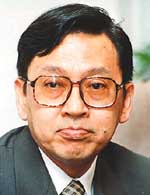 Boediono, the only name revealed by the President to join the economic team; a doctor of economics from Wharton School University of Pennsylvania, USA (1979); obtained his master degree in Economics from Monash University, Melbourne, Australia. Born in Blitar on 25 Februari 1943. Minister of Bappenas during Presidency of BJ Habibie; Minister of Finance under President Megawati, a highly successful minister. Recent issue of the Far Eastern Economic Reviews dubbed him as one of the four people who have changed Indonesia. Was highly internationally acclaimed as a very successful in maintaing Indonesia's economic stability through the transition era.
 Paskah Suzettta, his last position was Chair of Commission XI on Finance, national Development Planning, Banking and Non-Bank Financial Institutions (Chairman of Comission XI). Affiliated with Golkar, he was born in Bandung, West Java, on 6 April 1953.
Education and Career:
1994 : Graduate, National Resilience Institute (Lemhanas)
1990 : Degree from the Political & Social Science Faculty, Padjajaran University (Unpad), Bandung
2005-present : Deputy Treasurer, Golkar
2004-present : Chair, DPR Commission XI, (Finance, National Development Planning, Banking and Non-bank Financial Institutions)
1999-2004 : Deputy Chair, DPR Commission IX (Finance and Banking);
: Member, Special Committee investigating case of Bank Bali;
: Member, Special Committee for amending Bank Indonesia Law
1997-1999 : Member, DPR Commission VIII (Energy and Natural Resources)
1992-1997 : Deputy Chair, DPR Commission IV (Transportation & Infrastructure)
1998-2003 : Chair, Indonesian Chamber of Commerce (Kadin), West Java branch.
Business : 1993-1998 head of Regional head of (Real Estate Indonesia), West Java; 1994-2004, head of advisory board, Indonesian Chamber of Commerce.
Some critics mentioned that Paskah, a veteran parliamentarian, though experienced in finance by serving as deputy chair of DPR's Commission IX from 1999 to 2004, is far from liberal with regard to views on economics. He was said to have adamantly opposed the independence of Bank Indonesia and have favored Indonesia's withdrawal from the IMF program. He has been viewed as one resisting privatization, especially strategic sales involving foreign buyers. I'd say as long as he remains open minded, he can play an important role in keeping the checks and balances, e.g. keep our conscience against too government-pro economists or "external" interests.
Erman Soeparno, born in Purworejo, on 20 March 1950. Master degree from Newport University, California USA; former President Director of PT PP Taisei Indonesia Construction; former member of the Parliament from the Kebangkitan Bangsa faction (1999-2004) of which he became leader of the faction; former Deputy Leader of Commission V of the DPR; closely linked to Head of the PKB Board Abdurrahman Wahid and PKB Leader Muhaimin Iskandar.
Opinions
Some economists (e.g. Chatib Basri of UI) said that there would not be any significant change in economic policies. Major issues would remain the same: creation of macro stability, actions to contain inflation and solution to rising unemployment. Others (e.g. Aviliani of INDEF) were of the view that the President was merely playing safe. His decision would not impact much, especially to the real sectors.
Various comments from the business circle have no doubt also arisen following the presence of three new ministers in the cabinet. Generally speaking, business and industrial players welcomed the reshuffling, particularly on the economic team, although it had not really represented the interest of the real sectors.
Yet others viewed that the appointment of Paskah Suzetta and Erman Suparno was more a political compromise than astute strategic thinking. Indra J. Piliang, researcher of Political and Social Changes with CSIS, was among those sharing this view. Political compromises like this, said Coordinator of the Human Rights Working Group (HRWG) Rafendy Djamin, tended to weaken the effort. He argued that other as serious problems, such as legal matters, remain untouched by the reshuffling.
Still, some commented that SBY had applied political accomodation throughout this limited reshuffling. SBY had accomodated Golkar by offering one additional ministerial portfolio (now there are three ministers from Golkar) while at the same time he tried to take PKB by the hand by recruiting Erman. A political observer from Universitas Indonesia (UI), Maswadi Rauf, noted that this strategy of the president was quite understandable to strengthen its political support.
Of the three new ministers, Erman Suparno, the new minister of Manpower and Transmigration was the one received with skepticism. Relatively unknown, he has been regarded as an "alien" by the secretariat General of the Association of Workers Indrayana, and by General Charman of Front of Indonesian Laborer's Struggle (FNPBI) Dita Indahsari. Understandably, Erman was deputy chariman of Commission V at the parliament, which deals with issues of transportation, housing and public works.
Deputy Chairman of Parliament Zaenal Maarif said that the reshuffle has been met with positive sentiment at the House.
Some foreign investors said they tended to focus on what the new ministers would do next. They also hoped that the new team could work together in addressing the complex situation facing Indonesia's economy. They hoped that the reshuffling could be a strong basis for changes and embetterment in Indonesia's economy. They also hoped that the new team would be able to lessen the impact of fuel price hikes and the destabilized rupiah.
Economic observer and also Parliament member Drajad Wibowo said that the economic policy would tend to be conservative with the entrance of Boediono as coordinating minister and Sri Mulyani as finance minister. Although believing the two made a good combination, he said the problem Indonesia faces calls for revitalization in industrial and agricultural sectors. These are precisely the areas that the two bigwicks lack of experience. As regards the new positions of Paskah Suzetta and Fahmi Idriss, he was of the opinion that they were just in the right positions.
Meanwhile, a member of Indonesia's Senate (DPD) from Jakarta, Sarwono Kusumaatmaja, said that the reshuffling proved that the President SBY had erred at the beginning of his presidency. In his opinion, the President should be firm in appointing his minsiters. This reshuffling would only be good with strong leadership from him.
(Major sources: Kompas, Bisnis Indonesia, Media Indonesia, Neraca, and Koran Tempo issued on Dec. 5 2005)
The Reshuffle
The reshuffling removed three ministers of their position, and rotated three others. It introduced three "new" names: Boediono, a nonpartisan; Paskah Suzetta, a veteran politician from the Golongan Karya party; and Erman Soeparno, a deputy-treasurer with PKB. The replacement and rotation can be summed up as follows:
1. Ir Aburizal Bakrie, former Economic Affairs Coordinating Minister now People`s Welfare Coordinating Minister replacing Alwi Shihab;
2. Dr Budiono, Economic Affairs Coordinating Minister replacing Aburizal Bakrie.
3. Dr Sri Mulyani Indrawati, former state minister for national development planning, now Finance Minister replacing Yusuf Anwar;
4. Fahmi Idris, former Manpower and Transmigration minister, now Industry Minister replacing Andung Nitimihardja.
5. Ir Paskah Suzetta, state minister for national development planning/head of the national development planning agency (Bappenas).
Up Close and Impersonal…
As for the economic team, a seasoned technocrat Budiono replaces Aburizal Bakrie as the coordinating minister for the economy. Aburizal, however, will retain the coordinating minister position being named the Coordinating Minister for People's Welfare replacing Alwi Shihab.
Alwi Shihab is now made SBY's advisor and special envoy for cooperation with Middle East countries as well as the Organization of Islamic Conference (OIC) and the Islamic Development Bank (ADB).
Former State Minister of Development Planning and chairwoman of the National Development Planning Board (Bappenas) Sri Mulyani is now Minister of Finance, replacing Jusuf Anwar. Sri Mulyani's former position is occupied by a Golkar Party politician, Paskah Suzetta, currently chairman of the Commission XI for Finance Affairs at DPR (the House of Representatives). Jusuf Anwar is said to be named as ambassador to "an important country," which remains to be announced.
Minister of Manpower and Transmigration Fahmi Idris replaces Andung Nitimihardja as Minister of Industry. It is not clear as to Andung's new position. Fahmi's former position as Minister of Manpower and Transmigration is filled in by Erman Soeparno from the National Awakening Party (PKB). Currently he is deputy chairman of House Comission V for Communication and Infrastructure.
All these new ministers will be sworn in on Wednesday.
Profiles
 Boediono, the only name revealed by the President to join the economic team; a doctor of economics from Wharton School University of Pennsylvania, USA (1979); obtained his master degree in Economics from Monash University, Melbourne, Australia. Born in Blitar on 25 Februari 1943. Minister of Bappenas during Presidency of BJ Habibie; Minister of Finance under President Megawati, a highly successful minister. Recent issue of the Far Eastern Economic Reviews dubbed him as one of the four people who have changed Indonesia. Was highly internationally acclaimed as a very successful in maintaing Indonesia's economic stability through the transition era.
 Paskah Suzettta, his last position was Chair of Commission XI on Finance, national Development Planning, Banking and Non-Bank Financial Institutions (Chairman of Comission XI). Affiliated with Golkar, he was born in Bandung, West Java, on 6 April 1953.
Education and Career:
1994 : Graduate, National Resilience Institute (Lemhanas)
1990 : Degree from the Political & Social Science Faculty, Padjajaran University (Unpad), Bandung
2005-present : Deputy Treasurer, Golkar
2004-present : Chair, DPR Commission XI, (Finance, National Development Planning, Banking and Non-bank Financial Institutions)
1999-2004 : Deputy Chair, DPR Commission IX (Finance and Banking);
: Member, Special Committee investigating case of Bank Bali;
: Member, Special Committee for amending Bank Indonesia Law
1997-1999 : Member, DPR Commission VIII (Energy and Natural Resources)
1992-1997 : Deputy Chair, DPR Commission IV (Transportation & Infrastructure)
1998-2003 : Chair, Indonesian Chamber of Commerce (Kadin), West Java branch.
Business : 1993-1998 head of Regional head of (Real Estate Indonesia), West Java; 1994-2004, head of advisory board, Indonesian Chamber of Commerce.
Some critics mentioned that Paskah, a veteran parliamentarian, though experienced in finance by serving as deputy chair of DPR's Commission IX from 1999 to 2004, is far from liberal with regard to views on economics. He was said to have adamantly opposed the independence of Bank Indonesia and have favored Indonesia's withdrawal from the IMF program. He has been viewed as one resisting privatization, especially strategic sales involving foreign buyers. I'd say as long as he remains open minded, he can play an important role in keeping the checks and balances, e.g. keep our conscience against too government-pro economists or "external" interests.
Erman Soeparno, born in Purworejo, on 20 March 1950. Master degree from Newport University, California USA; former President Director of PT PP Taisei Indonesia Construction; former member of the Parliament from the Kebangkitan Bangsa faction (1999-2004) of which he became leader of the faction; former Deputy Leader of Commission V of the DPR; closely linked to Head of the PKB Board Abdurrahman Wahid and PKB Leader Muhaimin Iskandar.
Opinions
Some economists (e.g. Chatib Basri of UI) said that there would not be any significant change in economic policies. Major issues would remain the same: creation of macro stability, actions to contain inflation and solution to rising unemployment. Others (e.g. Aviliani of INDEF) were of the view that the President was merely playing safe. His decision would not impact much, especially to the real sectors.
Various comments from the business circle have no doubt also arisen following the presence of three new ministers in the cabinet. Generally speaking, business and industrial players welcomed the reshuffling, particularly on the economic team, although it had not really represented the interest of the real sectors.
Yet others viewed that the appointment of Paskah Suzetta and Erman Suparno was more a political compromise than astute strategic thinking. Indra J. Piliang, researcher of Political and Social Changes with CSIS, was among those sharing this view. Political compromises like this, said Coordinator of the Human Rights Working Group (HRWG) Rafendy Djamin, tended to weaken the effort. He argued that other as serious problems, such as legal matters, remain untouched by the reshuffling.
Still, some commented that SBY had applied political accomodation throughout this limited reshuffling. SBY had accomodated Golkar by offering one additional ministerial portfolio (now there are three ministers from Golkar) while at the same time he tried to take PKB by the hand by recruiting Erman. A political observer from Universitas Indonesia (UI), Maswadi Rauf, noted that this strategy of the president was quite understandable to strengthen its political support.
Of the three new ministers, Erman Suparno, the new minister of Manpower and Transmigration was the one received with skepticism. Relatively unknown, he has been regarded as an "alien" by the secretariat General of the Association of Workers Indrayana, and by General Charman of Front of Indonesian Laborer's Struggle (FNPBI) Dita Indahsari. Understandably, Erman was deputy chariman of Commission V at the parliament, which deals with issues of transportation, housing and public works.
Deputy Chairman of Parliament Zaenal Maarif said that the reshuffle has been met with positive sentiment at the House.
Some foreign investors said they tended to focus on what the new ministers would do next. They also hoped that the new team could work together in addressing the complex situation facing Indonesia's economy. They hoped that the reshuffling could be a strong basis for changes and embetterment in Indonesia's economy. They also hoped that the new team would be able to lessen the impact of fuel price hikes and the destabilized rupiah.
Economic observer and also Parliament member Drajad Wibowo said that the economic policy would tend to be conservative with the entrance of Boediono as coordinating minister and Sri Mulyani as finance minister. Although believing the two made a good combination, he said the problem Indonesia faces calls for revitalization in industrial and agricultural sectors. These are precisely the areas that the two bigwicks lack of experience. As regards the new positions of Paskah Suzetta and Fahmi Idriss, he was of the opinion that they were just in the right positions.
Meanwhile, a member of Indonesia's Senate (DPD) from Jakarta, Sarwono Kusumaatmaja, said that the reshuffling proved that the President SBY had erred at the beginning of his presidency. In his opinion, the President should be firm in appointing his minsiters. This reshuffling would only be good with strong leadership from him.
(Major sources: Kompas, Bisnis Indonesia, Media Indonesia, Neraca, and Koran Tempo issued on Dec. 5 2005)
5.12.05
Menyaksikan Rumput Tumbuh: Demografi dan Pasar Tenaga Kerja Indonesia*
Perkenalkan anak saya semata wayang: L. Barusan berulang tahun keenam. L, demikian ia kami panggil, sekarang murid kelas 1 SD. Sesuai dengan hasil seminar dari Lembaga Demografi Indonesia (LDI) minggu lalu, L dan anak-anak sebayanya akan berusia 21 tahun pada tahun 2020 nanti. Ia akan berjuang mencari rejeki dengan lebih dari 250,5 juta penduduk Indonesia. L akan tumbuh sebagai seorang perempuan di antara sekitar 70 juta perempuan Indonesia dalam usia subur. Di tahun itu, akan ada sekitar 170,9 juta jiwa manusia dalam usia kerja.
Bonus Demografi
 Menurut LDI, dekade 2020-2030 merupakan dekade istimewa yang memberi apa yang disebut sebagai bonus demografi atau demographic dividend, yaitu ketika nisbah ketergantungan orang-orang tua kepada anak-anak muda mencapai titik nadir 44 per 100. Bonus ini konon hanya akan terjadi sekali sepanjang sejarah perjalanan suatu bangsa. Dengan demikian, bonus ini menyediakan Indonesia semacam jendela peluang untuk menaikkan kesejahteraan masyarakat.
Kondisi Sine Qua Non Pemanfaatan Bonus
Menurut catatan LDI pemanfaatan peluang ini dapat terjadi antara lain: 1) jika terjadi kelangsungan penurunan angka kelahiran hingga tahun 2030; 2) jika mulai sekarang jangkauan pendidikan diperluas dan kualitasnya dipertinggi; 3) jika pelatihan kerja digalakkan; 4) jika ada koordinasi yang baik antar sektor; 5) jika iklim investasi kondusif untuk membuka kesempatan kerja produktif; dan 6) jika sumber daya pemerintah yang terhindarkan karena penurunan proporsi anak dapat dialihkan untuk investasi pendidikan dan peningkatan kualitas SDM.
Kondisi Obyektif Indonesia
Mengingat kondisi Indonesia saat ini, dan sesuai dengan tanggapan salah seorang pejabat kunci dari Departemen Tenaga Kerja RI yang hadir saat itu, kondisi sine qua non di atas berada di luar kendali pemerintah Indonesia. Hingga saat ini Pemerintah masih "mencoba merumuskan arah pengembangan dan pengendalian SDM dan tenaga kerja Indonesia." Sementara, seperti dikatakan oleh pakar demografi Sri Moertiningsih, kebijakan demografi ini baru dapat dirasakan 30 tahun kemudian. "It is like watching the grass grow." Pergerakannya tidak terlihat tetapi nyata.
Pengangguran
Tingkat Pengangguran Indonesia sejak krisis 1997 terus meningkat dengan akselerasi 2 juta per tahun. Pada tahun 2005 jumlahnya sekitar 68 juta jiwa atau 10.3% dari angkatan kerja. Kebanyakan mereka berpendidikan sekolah menengah, umumnya tinggal di perkotaan, mayoritas berusia muda antara 15-29 tahun, dan sebagian besar perempuan! Anak perempuan perkotaan seperti L termasuk kelompok paling rawan. Posisi mereka dalam pasar tenaga kerja Indonesia secara rata-rata dapat disimpulkan dalam satu akronim: LIFO-last in, first out, atau yang paling akhir direkrut, tetapi paling awal akan ditendang jika terjadi gonjang-ganjing perekonomian!
Elastisitas Tenaga Kerja dan Pertumbuhan Ekonomi
Satu catatan penting adalah bahwa proses pemulihan ekonomi Indonesia sejak krisis hingga kini tidak mampu menyerap tenaga kerja sebanyak yang dibutuhkan. Menurut Islam dan Nazara (2000), diperlukan penyerapan 400-500 ribu pekerja untuk setiap persen pertumbuhan ekonomi jika, Indonesia ingin mengurangi tingkat pengangguran. Dengan kata lain, ekonomi harus tumbuh 3-5% di atas pertumbuhan tahun lalu agar dapat menyerap tambahan 2 juta pengangguran baru.
Bukan Asal Tumbuh
Kita ketahui bahwa dalam beberapa tahun terakhir, pertumbuhan perekonomian Indonesia dimotori oleh konsumsi; sementara, yang disebut sebagai pertumbuhan yang ramah tenaga kerja adalah pertumbuhan yang dapat menyerap tenaga kerja; yang dimotori oleh investasi dan ekspor, dan bukan oleh konsumsi. Pertumbuhan yang labor-friendly adalah yang padat karya, meskipun padat modal dapat juga menyumbangkan efek pengganda yang cukup besar.
Peran Pemerintah
Peran Pemerintah, menurut pakar demografi Nazara, adalah menciptakan kondisi pasar kerja dan hubungan industrial yang kondusif dalam mendukung daya saing Indonesia pada tenaga kerja murah yang produktif. Pertanyaan yang tidak sempat kita tanyakan adalah: jenis pekerjaan murah dan produktif apa sih yang dapat Pemerintah sediakan untuk penduduk Indonesia? Jawabannya, paling-paling tenaga kasar semacam kuli, TKW, TKI dan yang sejenisnya. Itupun belum bisa dipenuhi.
Yang Tersirat
(Bagian ini berisi sesuatu yang nyaris tidak terucapkan, meskipun sebenarnya cukup gamblang keniscayaannya. Bagian ini juga ingin menggarisbawahi bahwa: mau tidak mau, kita harus melepaskan konsep-konsep tertentu yang kita anut selama ini terhadap pemerintah dan perannya.)
Kesimpulan pertama: kecil sekali Pemerintah Indonesia, apalagi Kementerian Tenaga Kerja semata, dapat menggagas atau menerapkan konsep perbaikan dan peningkatan mutu pendidikan bagi teman-teman seangkatan Lla, apalagi untuk dapat menyiapkan lahan kerja yang memadai untuk mereka atau untuk para penganggur Indonesia di masa depan.
Kedua: sadar atau tidak sadar, sebagian besar dari kita, termasuk para pakar atau akademisi yang berkecimpung di bidang sosial, masih terus "menggelendoti" paradigma bahwa Pemerintah adalah agen pemilik kunci jawaban terhadap persoalan-persoalan besar kita, padahal dalam banyak hal pemerintah adalah justru bagian dari persoalan hidup warganya. Sebagai contoh: ambil contoh kemacetan lalu lintas. Mengapa sebenarnya kemacetan di Jakarta dan di kota-kota besar Indonesia terjadi?
Oleh karena itu, daripada menunggu pemerintah merumuskan arah perkembangan peningkatan kualitas manusia, lebih baik kita sama-sama serukan bahayanya bergantung pada pemerintah. Sebaliknya, perlu dianjurkan agar orang-orang berlomba-lomba mengembangkan potensi diri sendiri, misalnya dengan menjadi wiraswastawan.
Ketiga: Menganggap bahwa Pemerintah akan berjuang keras memperbaiki, meningkatkan atau memperjuangkan kualitas dan sumber daya manusia, seperti misalnya meningkatkan mutu pendidikan Lla atau teman-temannya, adalah asumsi yang terlalu muluk. Mungkin ini terdengar agak keras, tetapi yang paling realistis adalah tidak menyerahkan pemecahan perkara ini kepada pemerintah.
*) Sumber utama: makalah Sri Moetiningsih Adioetomo (Demografi Indonesia) dan Suahasil Nazara (Pasar Tenaga Kerja Indonesia), dalam Seminar Prospek Perekonomian 2006, FEUI.
Bonus Demografi
 Menurut LDI, dekade 2020-2030 merupakan dekade istimewa yang memberi apa yang disebut sebagai bonus demografi atau demographic dividend, yaitu ketika nisbah ketergantungan orang-orang tua kepada anak-anak muda mencapai titik nadir 44 per 100. Bonus ini konon hanya akan terjadi sekali sepanjang sejarah perjalanan suatu bangsa. Dengan demikian, bonus ini menyediakan Indonesia semacam jendela peluang untuk menaikkan kesejahteraan masyarakat.
Kondisi Sine Qua Non Pemanfaatan Bonus
Menurut catatan LDI pemanfaatan peluang ini dapat terjadi antara lain: 1) jika terjadi kelangsungan penurunan angka kelahiran hingga tahun 2030; 2) jika mulai sekarang jangkauan pendidikan diperluas dan kualitasnya dipertinggi; 3) jika pelatihan kerja digalakkan; 4) jika ada koordinasi yang baik antar sektor; 5) jika iklim investasi kondusif untuk membuka kesempatan kerja produktif; dan 6) jika sumber daya pemerintah yang terhindarkan karena penurunan proporsi anak dapat dialihkan untuk investasi pendidikan dan peningkatan kualitas SDM.
Kondisi Obyektif Indonesia
Mengingat kondisi Indonesia saat ini, dan sesuai dengan tanggapan salah seorang pejabat kunci dari Departemen Tenaga Kerja RI yang hadir saat itu, kondisi sine qua non di atas berada di luar kendali pemerintah Indonesia. Hingga saat ini Pemerintah masih "mencoba merumuskan arah pengembangan dan pengendalian SDM dan tenaga kerja Indonesia." Sementara, seperti dikatakan oleh pakar demografi Sri Moertiningsih, kebijakan demografi ini baru dapat dirasakan 30 tahun kemudian. "It is like watching the grass grow." Pergerakannya tidak terlihat tetapi nyata.
Pengangguran
Tingkat Pengangguran Indonesia sejak krisis 1997 terus meningkat dengan akselerasi 2 juta per tahun. Pada tahun 2005 jumlahnya sekitar 68 juta jiwa atau 10.3% dari angkatan kerja. Kebanyakan mereka berpendidikan sekolah menengah, umumnya tinggal di perkotaan, mayoritas berusia muda antara 15-29 tahun, dan sebagian besar perempuan! Anak perempuan perkotaan seperti L termasuk kelompok paling rawan. Posisi mereka dalam pasar tenaga kerja Indonesia secara rata-rata dapat disimpulkan dalam satu akronim: LIFO-last in, first out, atau yang paling akhir direkrut, tetapi paling awal akan ditendang jika terjadi gonjang-ganjing perekonomian!
Elastisitas Tenaga Kerja dan Pertumbuhan Ekonomi
Satu catatan penting adalah bahwa proses pemulihan ekonomi Indonesia sejak krisis hingga kini tidak mampu menyerap tenaga kerja sebanyak yang dibutuhkan. Menurut Islam dan Nazara (2000), diperlukan penyerapan 400-500 ribu pekerja untuk setiap persen pertumbuhan ekonomi jika, Indonesia ingin mengurangi tingkat pengangguran. Dengan kata lain, ekonomi harus tumbuh 3-5% di atas pertumbuhan tahun lalu agar dapat menyerap tambahan 2 juta pengangguran baru.
Bukan Asal Tumbuh
Kita ketahui bahwa dalam beberapa tahun terakhir, pertumbuhan perekonomian Indonesia dimotori oleh konsumsi; sementara, yang disebut sebagai pertumbuhan yang ramah tenaga kerja adalah pertumbuhan yang dapat menyerap tenaga kerja; yang dimotori oleh investasi dan ekspor, dan bukan oleh konsumsi. Pertumbuhan yang labor-friendly adalah yang padat karya, meskipun padat modal dapat juga menyumbangkan efek pengganda yang cukup besar.
Peran Pemerintah
Peran Pemerintah, menurut pakar demografi Nazara, adalah menciptakan kondisi pasar kerja dan hubungan industrial yang kondusif dalam mendukung daya saing Indonesia pada tenaga kerja murah yang produktif. Pertanyaan yang tidak sempat kita tanyakan adalah: jenis pekerjaan murah dan produktif apa sih yang dapat Pemerintah sediakan untuk penduduk Indonesia? Jawabannya, paling-paling tenaga kasar semacam kuli, TKW, TKI dan yang sejenisnya. Itupun belum bisa dipenuhi.
Yang Tersirat
(Bagian ini berisi sesuatu yang nyaris tidak terucapkan, meskipun sebenarnya cukup gamblang keniscayaannya. Bagian ini juga ingin menggarisbawahi bahwa: mau tidak mau, kita harus melepaskan konsep-konsep tertentu yang kita anut selama ini terhadap pemerintah dan perannya.)
Kesimpulan pertama: kecil sekali Pemerintah Indonesia, apalagi Kementerian Tenaga Kerja semata, dapat menggagas atau menerapkan konsep perbaikan dan peningkatan mutu pendidikan bagi teman-teman seangkatan Lla, apalagi untuk dapat menyiapkan lahan kerja yang memadai untuk mereka atau untuk para penganggur Indonesia di masa depan.
Kedua: sadar atau tidak sadar, sebagian besar dari kita, termasuk para pakar atau akademisi yang berkecimpung di bidang sosial, masih terus "menggelendoti" paradigma bahwa Pemerintah adalah agen pemilik kunci jawaban terhadap persoalan-persoalan besar kita, padahal dalam banyak hal pemerintah adalah justru bagian dari persoalan hidup warganya. Sebagai contoh: ambil contoh kemacetan lalu lintas. Mengapa sebenarnya kemacetan di Jakarta dan di kota-kota besar Indonesia terjadi?
Oleh karena itu, daripada menunggu pemerintah merumuskan arah perkembangan peningkatan kualitas manusia, lebih baik kita sama-sama serukan bahayanya bergantung pada pemerintah. Sebaliknya, perlu dianjurkan agar orang-orang berlomba-lomba mengembangkan potensi diri sendiri, misalnya dengan menjadi wiraswastawan.
Ketiga: Menganggap bahwa Pemerintah akan berjuang keras memperbaiki, meningkatkan atau memperjuangkan kualitas dan sumber daya manusia, seperti misalnya meningkatkan mutu pendidikan Lla atau teman-temannya, adalah asumsi yang terlalu muluk. Mungkin ini terdengar agak keras, tetapi yang paling realistis adalah tidak menyerahkan pemecahan perkara ini kepada pemerintah.
*) Sumber utama: makalah Sri Moetiningsih Adioetomo (Demografi Indonesia) dan Suahasil Nazara (Pasar Tenaga Kerja Indonesia), dalam Seminar Prospek Perekonomian 2006, FEUI.
28.11.05
Tergusurnya bahasa Indonesia
"Banyak ... yang tidak punya ikatan emosional yang kuat pada bahasa Indonesia. Bahasa apa pun menjadi sekadar sarana promosi jualan, ujar ahli bahasa Anton M Moeliono dalam seminar Mencari jalan keluar dari kondisi bahasa Indonesia yang memprihatinkan, di Jakarta, Sabtu (26/11).
Menurut Anton, saat ini ada identifikasi antara peradaban yang tinggi dan mutu produk yang unggul dengan bahasa Inggris yang mengantarnya. Masyarakat percaya bahwa bahasa Inggris itu jadi jaminan mutu. Ia mencontohkan maraknya nama bahasa Inggris pada hotel, mal, restoran, bank, dan hiburan.
Ia menekankan bahwa kedwibahasaan atau ketribahasaan, tidak merugikan, bahkan menguntungkan pemakai bahasa asal saja tidak mengorbankan bahasa kebangsaan sendiri. Patut dicatat, lanjut Anton, bahwa globalisasi tidak mengakibatkan penginggrisan bahasa di Jerman, Perancis, Italia, Jepang, Korea, dan China seperti di Indonesia. Jadi, globalisasi tak perlu menjadi alasan penginggrisan berbagai kata dalam bahasa Indonesia..."
Yang ikut prihatin dan setuju dengan, atau ingin baca, opininya, sila klik di sini.
17.11.05
Annotated links to free blog tempates
Anyone of you who has visited this blog more than once may have noticed that I tend to change templates after awhile. Yes, templates do amaze me with their capability to affect how blogs look and behave. They make blogs change dramatically at just some clicks! So, to template-designing artists who have been kind enough in offering freebies, this post is dedicated to all of you. To the rest of you who are end-users, like myself, this is to share with you the following good links. They are must-visit sources offering free blog templates--some of them were darn hard to find! (Sorted by my preference.)
1. BLOGSKINS; Exhaustive digging necessary, containing many rubbies but also much rubbish. I have found it impressive and very functional.
2. PANNASMONTATA A non-english site I just discovered, actually, but some of the most breath-taking templates I've ever seen are here! Just to give you an idea of what I mean by it, click here. Unfortunately there are only a handful templates for Blogger...
3. ISNAINI; Arguably one of the world's most productive template artists--and this guy's from Yogyakarta, Indonesia! Great pieces, some very exotic!
4. YE$ aka BLOGGER TEMPLATES Great, lovable templates! This is currently the source of my blog template. I wish the designer would update it. It's been a while, eh? (My suggestion to all template designers is to start considering tinkering with collapsible posts:)
5. NOIPO.ORG Neat pieces from Martyn in the Netherland. I have been a great fan of his templates.
6. CAZ Great artistic pieces from the Downunder by Caz. Some designs were made with female bloggers in mind.
7. BLOGFROCKS Possibly on hiatus now, but the female artists have created great templates for everyone. You will easily fall for them! No commenting system...aah!
8. KARYSIMA The last time I visited it, it contained a variety of free and paid templates. Always enjoyable.
9. POINT OF FOCUS Apparently I mistook this site for another, so my previous comments were rather misleading. This site does contain nothing but intriguing designs, and for this I just moved up its rank.
10. ERIS DESIGN Customizable elegant, business-like and formal templates--2-3 columns available.
11. FIRDAMATIC Customisable templates, 2-3 colums available.
12. EHSANY Not a huge collections, but contains Persian templates. With a slight retouching one or two could be darlings!
13. FLYABILITY Highly interesting pieces available. Highly recommended. Highly need for a commenting system, though.
14. BECCARY only four templates today; but quite neat and classy.
15. SPIDERMAN For the Spiderman fans no doubt, but the basic layouts and graphs are cool.
16. THEN THERE WAS DESIGN This growing source of templates has the potential to become something it aspires. Uh oh, I'm sounding an oldie...
17. WEBLOG DESIGNS Good looking but not so-ready-to-paste templates.
18. IMACLLANNI.COM Yet to read the terms and cond, but of all, i like the Beatles template most.
19. RAVASTHI Blogger-compliant. Professional looking. I found the layouting and coloring interesting, but some backgrounds are rather disturbing.
20. THURS TEMPLATES Good exercises in 2-3 columns. No update for quite some time. Not a nautical accident, I hope.
21. REAL SOLUTIONS Quite a few good templates, also with drawings and cartoons.
22. TEMPLATES 4 FREE Only few templates available currently.
PS:
1. Watch out this dark horse!
2. If you happen to know how to add a commenting systems for Blogger in a user-friendly way, please let me know. I followed the instructions from the Blogger Help section, but it didn't work well (the blame may have been mine, though).
(Updated and resorted on Nov. 18)
11.11.05
Islamic Banking: Fiqh and Financial Analysis
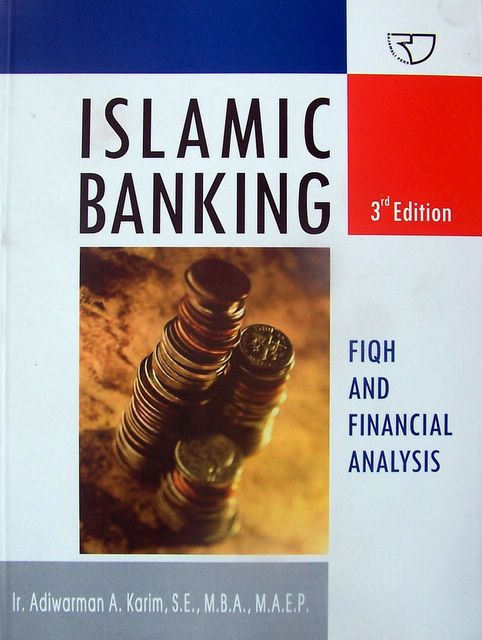 Here's to hail the publication of Islamic Banking: Fiqh and Financial Analysis, a first-of-its-kind and reader-friendly textbook--a comprehensive premier that readily imparts the beauties and strengths of sharia banking as an alternative banking, even to the uninitiated. Perhaps not yet available in local bookstores, it has marked a milestone in the development of Islamic Banking in Indonesia. In its preface, Dawam Rahardjo, chairman of the International Institute of Islamic Thoughts in Indonesia, succinctly illustrates the early development of sharia banking in Indonesia. The author, Adiwarman Karim, presides the Karim Business Consulting, a Jakarta based firm with a presence in Singapore. Adiwarman has fared well in his attempt to combine the fiqh (Islamic Jurisprudence) perspective with that of finance. Published by Rajawali, the book is highly useful not only to those beginning to land on the subject but also to those already in the business.
10.11.05
Farewell to the ministers
It's been almost three months since my post (in Bahasa) on the looming cabinet reshuffling, and things have gone off hand almost beyond the the government's control. Messy compensation programs resulting in soaring inflation, the poor performance of the Rupiah, plus other, unfathomable, God-only-knows factors saw the president with very little option other than using the last option: cabinet reshuffling--a poor term in itself, btw. According to JakPost, SBY finally announced yesterday he would replace one or two ministers only. Again, as I predicted. Personally, I'd rather see Ical being replaced, but he's too strong a man of "real politik" and wealth. So, I surmise the minister of finance Jusuf Anwar will have to receive the sack. Pak Andung, Minister of Industry, may be another victim. Former finance minister Boediono is the best successor for Jusuf Anwar. As for the candidate to replace Andung, a dark horse is possible and I cannot predict who. It remains interesting to see how all this unfolds...
The need to ghost-blog
 A. Fatih Syuhud's recent post on the need to ghost-blog has drawn my interest. He said he couldn't understand why on earth bloggers living in free democratic countries like in the US or Indonesia use pseudonyms. He wondered what they were afraid of. Well, a pseudonymous blogger myself, I hope this sharing of thoughts can be of use. In sum, I think fear has little or nothing to do with it.
A great deal of resources has been either invested or wasted in the realm of textual/literary criticism and discourse analysis amidst the battle of wits between the intrinsic and the extrinsic. Until today, the battle is not entirely resolved or satisfactorily settled. Critics that opt for the former approach have argued that a work cannot possibly have been made in void and thus better understanding can derive from understanding and knowledge of the background of the very person behind the work itself. The extrinsic have taken an opposite view. They believe the work itself should be the main focus of attention. Once a work is released to public domain, it thus becomes public and its interpretation therefore rests with the eyes of each beholder. Since postmodernism was a household word with deconstruction "theories", literary criticism has become more complex and textual truths have become relative (something that can be either virtuous or vicious, depending on the purpose of writing).
It is generally acknowledged now that readers are not free by default of personal bias. A writer's name to a reader may carry with him or her additional information (e.g. gender, geographical origin, and all the stereotypes or imageries associable with the name), and unless the reader is extra critical, s/he will already be led into certain bias or expectation even before s/he lays eyes on the the text. To one who is aware of the danger of biases (like Fatih himself), or to one who believes (as I do) that gender issues do exist, this is no small matter. One of the uses of pseudonyms, I believe, is to minimize such tendency. On the other side of the coin, some writers use pseudonyms as personal "liberation" so as to be able to hit the pen, or the keyboard, unrestrained or with ultimate freedom. They realize the disadvantage of remaining in obscurity but are willing to abandon their own person or personification so as to focus the pursuit on ideas. They believe in the importance of writing as well as that of being as accurately interpreted. They have as high regard for writing as for other people's reading of what they write. (Photo credit: Harapan MediaTech)
9.11.05
Inflasi kata-kata dan inflasi uang
Tulisan bersambung Yosef Ardi dengan judul di atas di harian Bisnis Indonesia rasanya menarik diikuti. Rasanya bahkan seperti mendengar gema suara saya sendiri, seperti dalam beberapa postings re inflasi di Nad's Notes (The Curse of Inflation; Terpedaya oleh Angka, dll.--tips: ketik "inflation" atau "central bank" di kotak pencarian di bawah lalu enter :)). Siapa saja yang terlibat dalam pengambilan keputusan ekonomi nasional atau para mahasiswa atau calon pakar ekonomi yang mendalami mazhab mainstream harus membuka diri terhadap pemikiran alternatif. Saya sendiri sangat menganjurkan agar kita di Indonesia mendalami pemikiran para ekonom aliran Austria, yang memang kurang populer, tetapi jelas menegaskan sejak awal bahwa ilmu ekonomi bukan matematika.
The Perils of Sedekah, Infaq, Zakat or the like of it
 Schools of beggars flooded some mosques and thoroughfares last week, nearing the time of Eid Fitr celebration in the city and a few days after. Males and females, adults, children and even babies, most of them aggressively approached bypassers for money. A few were seen flocking desolutely on the sidewalks. Just to give a quick snapshot!
Jakarta isn't unique and 2005 is not a special year either. Major cities in Indonesia, such as Yogya, have started seeing such an unsighlty sight since a few years back. They only see it more often now. I can't say if a similar situation applies in other countries, especially where Moslems are majority, but it appears to me little inquiry has been made on the perils of such benevolent acts. Giving alms--be it sedekah or infaq (voluntary alms), zakat (mandatory alm) or the likes, is a noble deed indeed. The idealized concepts and benefits are beyond qualms, but it doesn't mean there aren't things to be critical about.
Voluntary and involuntary alms have great likelihood and pose many loopholes to be abused and misused, supply or demand wise alike. Of sedekah, infaq and zakat, all can be abused and misused. The first two are the most fragile, though, because there is no fixed amount as to how much and when one can be so generous as giving out money. Supply wise, they can be, and have indeed long been, abused as the and most liked and most flexible vehicles to launder filthy money, i.e. that which is obtained crookedly, e.g. through corruption. Demand wise, all of them have perilous potential to sedate when distributed improperly. The worst messages are that which tells lazy bones they are given carte blanche through poverty to God-sanctioned or man-made obligations (e.g. to fulfill God's instructions, to keep order and cleanliness or obey the traffic); that which tells them they are righted to beg and mistake begging as a profession. To me, there has been ironic confusion here, or a terrible mistake.
The general surmise is that the distribution system lacks the power to scrutinize the targeted recepients. Practical-minded charity givers usually have no capacity to know whether their alms eventually go to the intended needy souls or some lazy bones instead. Moreover, the precept is that they simply don't need to know. "The left hand does not need to know what the right hand is doing," so the teaching goes. Again, very noble, indeed. But that's partly the root of the problem. (Photo credit: Detick.com)
Moral--It is surprisingly difficult to give away money properly! The challenge is how to do it without encouraging the people to get the wrong message, steal, or beg ;)
2.11.05
Eid Fitr greetings for bloggers all over the world!
With the last fasting day of Ramadan completed today, here's greetings and best wishes for all muslim bloggers on the celebration of Ied. To Indonesian muslims, "Selamat Hari Raya Idul Fitri 1 Syawal 1426H, semoga anda sekeluarga senantiasa dalam berkah dan lindunganNya." I also wanted to share with you some haikus on the festivities as well as on daily trivias.
1.11.05
Thou Shalt Not Kill

"I wrote Thou Shalt Not Kill Unless Otherwise Instructed as a protest against the war, and not least, for a sane fight against terrorism." --Mike Sharpe
Subscribe to:
Posts (Atom)